Blog Ecobraz Eigre
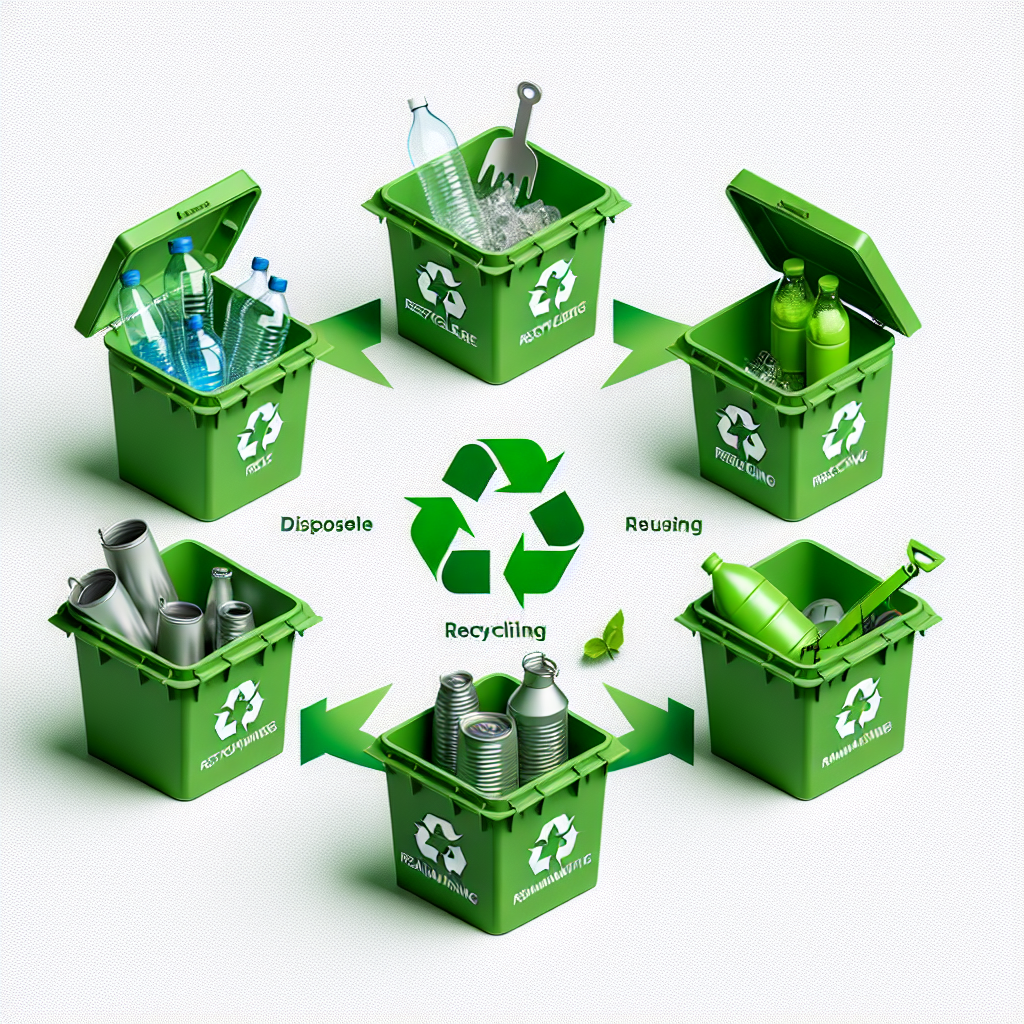
The difference between disposal, recycling, reuse, and remanufacturing — and why it matters for compliance
Disposal: technical and regulatory understanding
Disposal refers to the final destination of generated waste, whether by common disposal or specific treatment, as established by the National Solid Waste Policy (Law No. 12,305/2010). It is essential that disposal occurs following current regulations to avoid environmental impacts and ensure regulatory compliance. In the case of electronic waste, proper disposal may involve specialized collection, according to the guidelines of the National Information System on Solid Waste Management (SINIR) (sinir.gov.br).
Recycling: process and importance in the sustainable cycle
Recycling consists of processing discarded materials for reuse in the manufacture of new products. According to the ABNT NBR 10004 Standard and related CETESB regulations (cetesb.sp.gov.br), recycling minimizes environmental impact, reduces natural resource extraction, and contributes to meeting sustainability targets set forth in environmental legislation. Recycling is directly linked to environmental compliance and administrative responsibility.
Reuse: preventive and economical practice
Reuse is characterized by the repeated use of a product or component for the same original function, without the need for additional processing. This practice reduces waste generation and optimizes resources, aligning with internal environmental management policies and legal compliance, as guided by the Ministry of the Environment (mma.gov.br).
Remanufacturing: repair and restoration for reuse
Remanufacturing involves the technical recovery of used products through disassembly, repair, part replacement, and testing, resulting in products with performance equivalent to the original. This activity is regulated by the National Solid Waste Policy and specific technical standards, being an important component of the equipment life cycle, promoting compliance by extending asset life and reducing environmental impact.
Compliance and proper management of electronic waste
Compliance with regulations regarding disposal, recycling, reuse, and remanufacturing of electronic waste is essential to mitigate legal, economic, and environmental risks. Non-compliance may result in sanctions provided by environmental legislation and information security regulations, especially concerning the disposal of storage devices, whose secure sanitization must follow recommended standards (HD sanitization). Furthermore, professional and scheduled collection of this waste is recommended to ensure traceability and regulatory compliance (electronic waste collection).
ManifestTransparency & Security Manifesto
Evidence and transparency: Our ESG approach is built on traceable documentation, verifiable records and auditable operational criteria. We turn electronic waste management into operational evidence to support governance, traceability and the mitigation of environmental, documentary and corporate risks. Documentary security and compliance: Documented traceability helps reduce regulatory exposure, strengthens documentary defensibility and supports alignment with applicable environmental policies, corporate contracts and governance requirements, including national and international references relevant to supply chains. Operational costing of reverse logistics: Door-to-door collection and responsible processing of electronic waste involve relevant logistics, technical and documentary costs. For this reason, Ecobraz structures transparent operational costing models linked to reverse logistics execution, with no promise of financial return, investment or asset appreciation. Governance: Operational execution is guided by compliance, traceability and verifiable documentation criteria. The priority is to strengthen the client’s corporate evidence, reduce documentary gaps and support safer, more responsible and defensible disposal decisions.

Deixe um comentário
O seu endereço de e-mail não será publicado. Campos obrigatórios são marcados com *