Blog Ecobraz Eigre
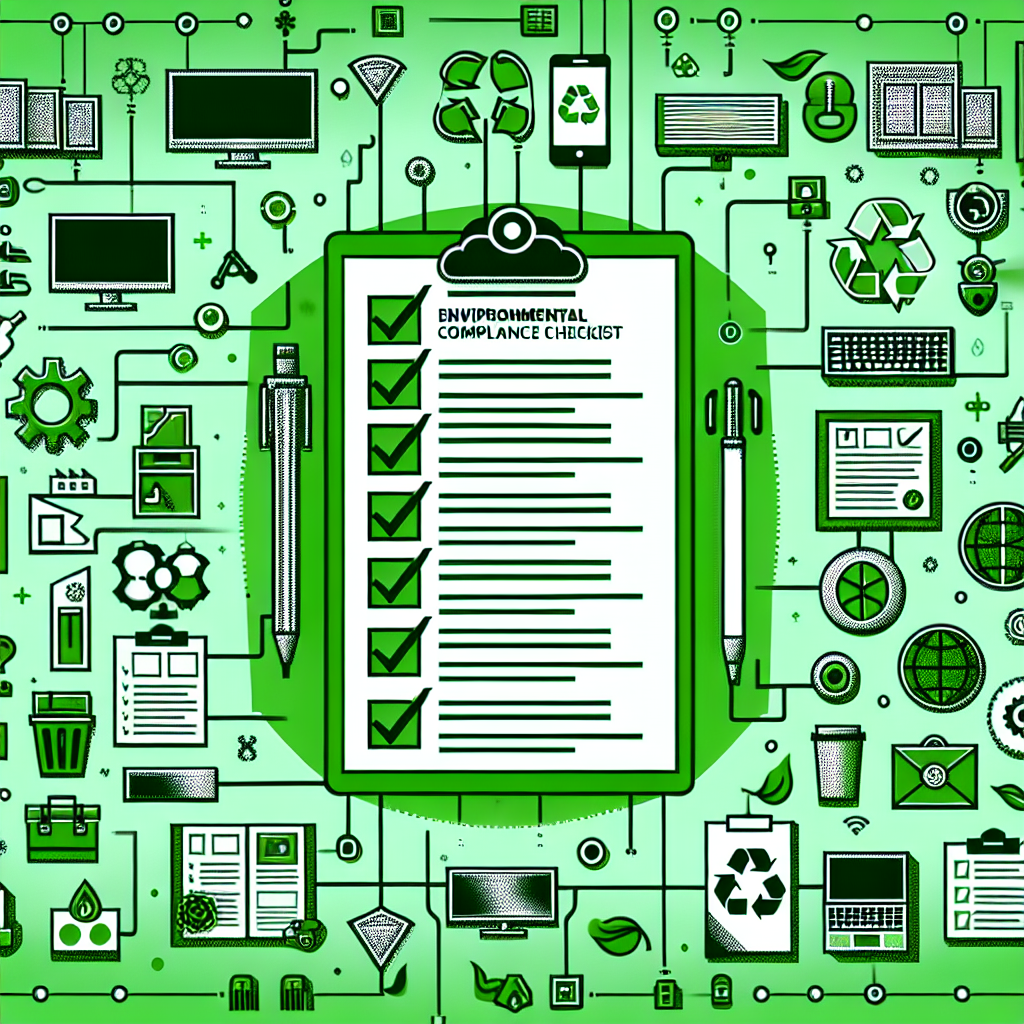
Environmental compliance checklist for electronic equipment manufacturers
Introduction
Manufacturers of electronic equipment face a growing demand for environmental compliance, as established by Brazilian legislation. This checklist covers the main legal requirements and technical standards that must be observed in order to guarantee sustainability and compliance with environmental demands.
1. Environmental Licensing
It is essential to obtain environmental licensing in accordance with Law No. 6.938/81, which deals with the National Environmental Policy. The manufacturer must ensure that its production units are licensed according to their environmental impacts.
2. Management of electrical and electronic waste
According to Law No. 13.754/2016 and the guidelines of the National Solid Waste Management Information System (SINIR), manufacturers must implement internal processes for the correct management of electrical and electronic waste generated during production. To ensure proper scheduling for the safe disposal of electronic waste, partnerships with certified entities are recommended, observing reverse logistics as recommended by law.
3. Rational use of resources
Control of water and electricity consumption should be monitored continuously. In addition, priority should be given to the use of recyclable materials with a lower environmental impact in the electronic components manufactured.
4. Control of Atmospheric Emissions
Complying with municipal and state environmental regulations on atmospheric emissions, such as those defined by CETESB (Companhia Ambiental do Estado de São Paulo), is mandatory for any industrial process. Monitoring must be periodic and reported to the competent bodies.
5. Safe Disposal of Media and Equipment with Data
For the safe disposal of hard drives and other media containing sensitive information, it is recommended to use specialized data sanitization services for electronic equipment. This practice meets legal requirements and protects information security.
6. Compliance with Technical Standards
Complying with national and international technical standards, such as those published by the NIST (National Institute of Standards and Technology), ensures that the processes adopted are in line with good practices, especially with regard to safety and environmental efficiency.
7. Training
Training employees in environmental practices, safety standards and waste management is a fundamental requirement for maintaining compliance and commitment to operational sustainability.
8. Reporting and Monitoring
Periodic environmental reports with data on consumption, disposal and emissions, as required by environmental legislation, are necessary for audits and to maintain transparency of processes in the sector.
Final Thoughts
Environmental compliance for electronic equipment manufacturers should cover everything from licensing and waste management to the safe disposal of data media, including environmental control and training. Strict compliance with these steps ensures socio-environmental responsibility and avoids legal penalties.
ManifestTransparency & Security Manifesto
Evidence and transparency: Our ESG approach is built on traceable documentation, verifiable records and auditable operational criteria. We turn electronic waste management into operational evidence to support governance, traceability and the mitigation of environmental, documentary and corporate risks. Documentary security and compliance: Documented traceability helps reduce regulatory exposure, strengthens documentary defensibility and supports alignment with applicable environmental policies, corporate contracts and governance requirements, including national and international references relevant to supply chains. Operational costing of reverse logistics: Door-to-door collection and responsible processing of electronic waste involve relevant logistics, technical and documentary costs. For this reason, Ecobraz structures transparent operational costing models linked to reverse logistics execution, with no promise of financial return, investment or asset appreciation. Governance: Operational execution is guided by compliance, traceability and verifiable documentation criteria. The priority is to strengthen the client’s corporate evidence, reduce documentary gaps and support safer, more responsible and defensible disposal decisions.

Deixe um comentário
O seu endereço de e-mail não será publicado. Campos obrigatórios são marcados com *