Blog Ecobraz Eigre
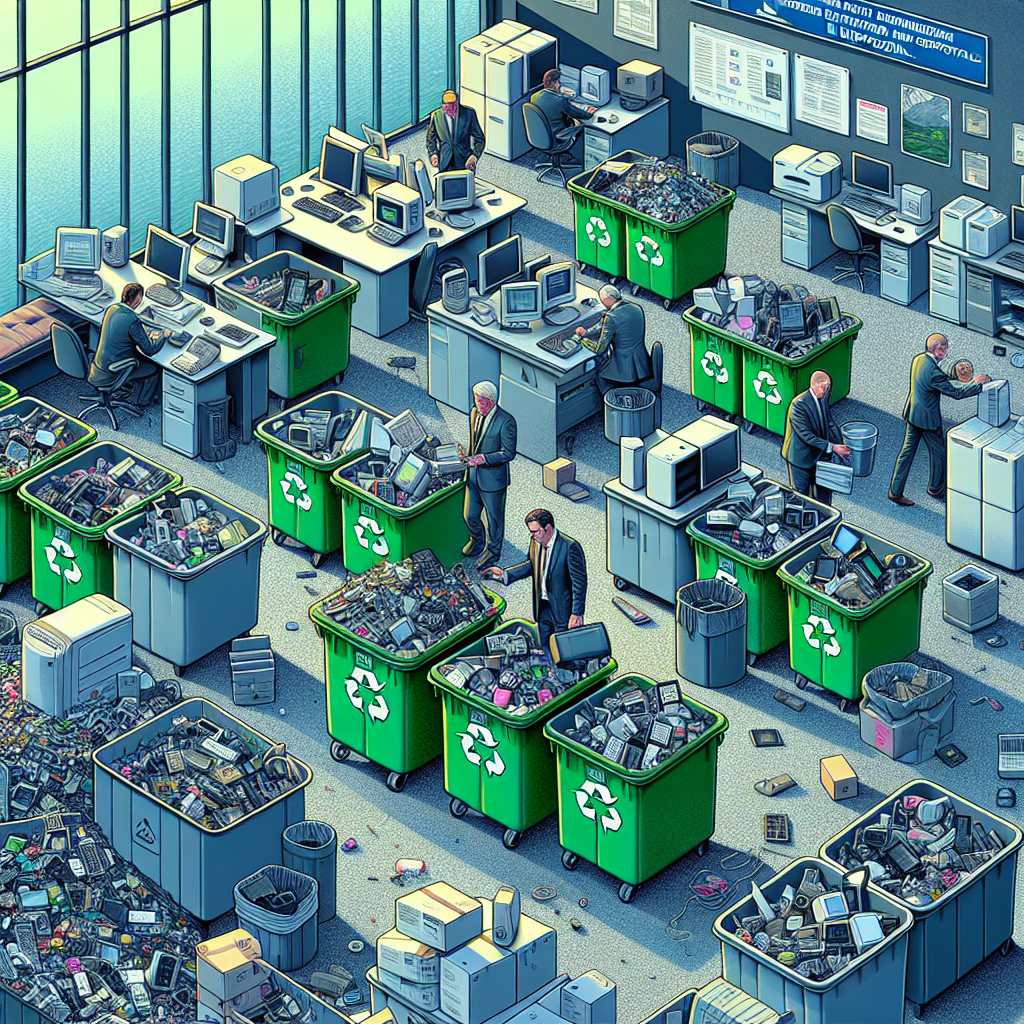
How to Avoid Hidden Environmental Liabilities in Corporate Electronic Waste Disposal
Introduction
Inadequate disposal of electronic equipment can generate hidden environmental liabilities that are difficult to identify and control, leading to significant legal and environmental risks. To mitigate them, it is essential to understand the current legislation, apply responsible management practices, and ensure the traceability of electronic waste.
Applicable Legislation and Responsibilities
According to Law No. 12,305/2010, which establishes the National Solid Waste Policy (PNRS), the generator of electronic waste holds shared responsibility for the life cycle of discarded devices, including the obligation to direct this waste to environmentally appropriate destinations.
The regulation highlights the need to implement reverse logistics systems, which require generators to send electronic equipment for recycling and treatment according to criteria established by environmental agencies.
Identification of Hidden Environmental Liabilities
Hidden environmental liabilities related to electronic disposal are generally associated with toxic waste, such as heavy metals (lead, mercury, cadmium) and hazardous substances contained in circuit boards, batteries, and electronic components. When improperly disposed of, these materials can contaminate soil, groundwater, and cause harm to human health.
The lack of adequate documentation and tracking of disposal can hinder the identification and control of these liabilities.
Practices to Prevent Environmental Liabilities
To prevent the formation of hidden environmental liabilities, it is recommended to:
- Implement a formalized electronic collection program, promoting the forwarding of material for treatment in accordance with legislation. Check scheduling at electronic collection.
- Hire specialized services with recognized environmental certifications, ensuring that treatment and recycling follow safe and documented procedures.
- Maintain strict tracking of the disposal cycle, including the completion of fiscal documents and final destination reports to ensure transparency and compliance.
- Train employees involved in managing electronic equipment, focusing on appropriate segregation and packaging.
- Apply safe methods for the destruction or sanitization of storage devices, such as hard drives or digital media. For this process, use specialized services and schedule at secure HD disposal.
Continuous Control and Monitoring
Continuous monitoring of electronic disposal practices is essential for preventing hidden liabilities. Periodic audits and environmental analyses, aligned with the standards of CETESB and other environmental agencies, help identify non-compliance and ensure continuous improvement of processes.
Additionally, it is recommended to integrate these actions into the institutional environmental management system, expanding internal control and legal compliance.
Conclusion
Preventing hidden environmental liabilities in the disposal of electronic equipment requires attention to legislation, hiring qualified partners, implementing robust waste management processes, and using technologies for the secure sanitization of media. Adopting these practices ensures the mitigation of environmental impacts and reduces the associated legal risks.
ManifestTransparency & Security Manifesto
Evidence and transparency: Our ESG approach is built on traceable documentation, verifiable records and auditable operational criteria. We turn electronic waste management into operational evidence to support governance, traceability and the mitigation of environmental, documentary and corporate risks. Documentary security and compliance: Documented traceability helps reduce regulatory exposure, strengthens documentary defensibility and supports alignment with applicable environmental policies, corporate contracts and governance requirements, including national and international references relevant to supply chains. Operational costing of reverse logistics: Door-to-door collection and responsible processing of electronic waste involve relevant logistics, technical and documentary costs. For this reason, Ecobraz structures transparent operational costing models linked to reverse logistics execution, with no promise of financial return, investment or asset appreciation. Governance: Operational execution is guided by compliance, traceability and verifiable documentation criteria. The priority is to strengthen the client’s corporate evidence, reduce documentary gaps and support safer, more responsible and defensible disposal decisions.

Deixe um comentário
O seu endereço de e-mail não será publicado. Campos obrigatórios são marcados com *