Blog Ecobraz Eigre
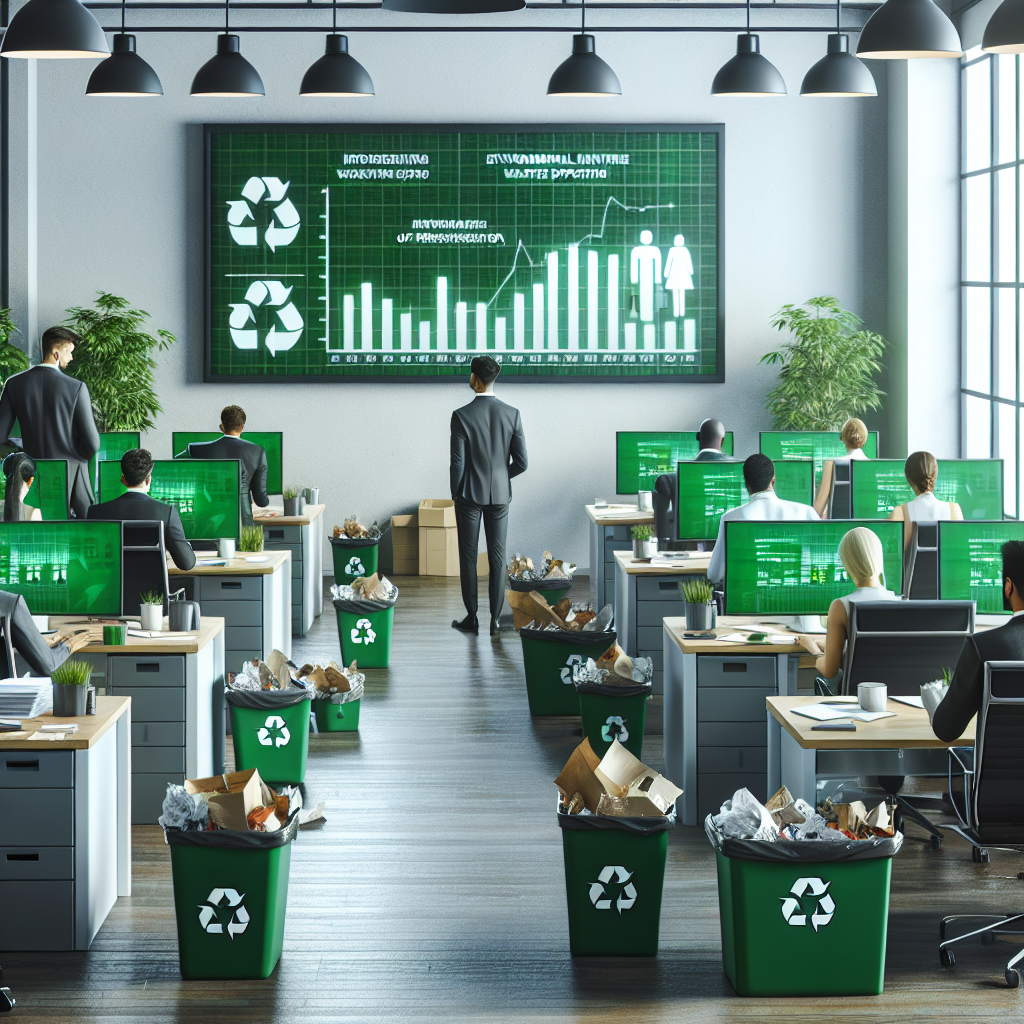
How to Implement an Environmental Disposal Program Within the Company
Understanding Applicable Environmental Legislation
To initiate the implementation of an environmental disposal program, it is essential to align actions with current legal standards, such as the National Solid Waste Policy (Law No. 12,305/2010) and the regulation of the National System of Information on Solid Waste Management (SINIR) available at sinir.gov.br. Compliance with these provisions ensures conformity and avoids administrative sanctions.
Mapping and Classification of Generated Waste
Conducting an inventory of waste is crucial to identify materials that require specific treatment, such as common, recyclable, and hazardous waste. Classifying waste according to NBR 10.004, the reference technical standard, allows for the correct definition of flows and appropriate methods for final disposal, respecting the criteria of the State Secretariat for Environment and Water Resources.
Definition of Procedures for Collection and Storage
Implement standardized internal protocols for selective collection and temporary storage of waste, ensuring secure containment and segregation to avoid cross-contamination. For electronic waste, it is recommended to use specialized systems for responsible collection and recycling, according to Ecobraz guidelines.
Partnerships with Accredited Service Providers
Hiring companies registered and authorized by environmental agencies is essential to ensure proper transportation and final disposal, especially for items involving chemical or data risks. In the case of digital media and electronic devices with sensitive information, secure and proper sanitization must be guaranteed, protecting data according to the standards of the National Data Protection Authority (Law No. 13,709/2018).
Training and Awareness of Employees
Conduct periodic training to educate users about the importance of proper disposal and environmental impact, instructing on the handling and categorization of waste generated in the corporate environment. Active participation is essential for the program’s success.
Monitoring, Evaluation and Continuous Improvement
Establish performance indicators to monitor the amount of generated and properly disposed waste, enabling adjustments to optimize processes and reduce environmental impact. Compliance reports should be maintained for internal and external audits, following the procedures recommended by CETESB (cetesb.sp.gov.br).
ManifestTransparency & Security Manifesto
Evidence and transparency: Our ESG approach is built on traceable documentation, verifiable records and auditable operational criteria. We turn electronic waste management into operational evidence to support governance, traceability and the mitigation of environmental, documentary and corporate risks. Documentary security and compliance: Documented traceability helps reduce regulatory exposure, strengthens documentary defensibility and supports alignment with applicable environmental policies, corporate contracts and governance requirements, including national and international references relevant to supply chains. Operational costing of reverse logistics: Door-to-door collection and responsible processing of electronic waste involve relevant logistics, technical and documentary costs. For this reason, Ecobraz structures transparent operational costing models linked to reverse logistics execution, with no promise of financial return, investment or asset appreciation. Governance: Operational execution is guided by compliance, traceability and verifiable documentation criteria. The priority is to strengthen the client’s corporate evidence, reduce documentary gaps and support safer, more responsible and defensible disposal decisions.

Deixe um comentário
O seu endereço de e-mail não será publicado. Campos obrigatórios são marcados com *