Blog Ecobraz Eigre
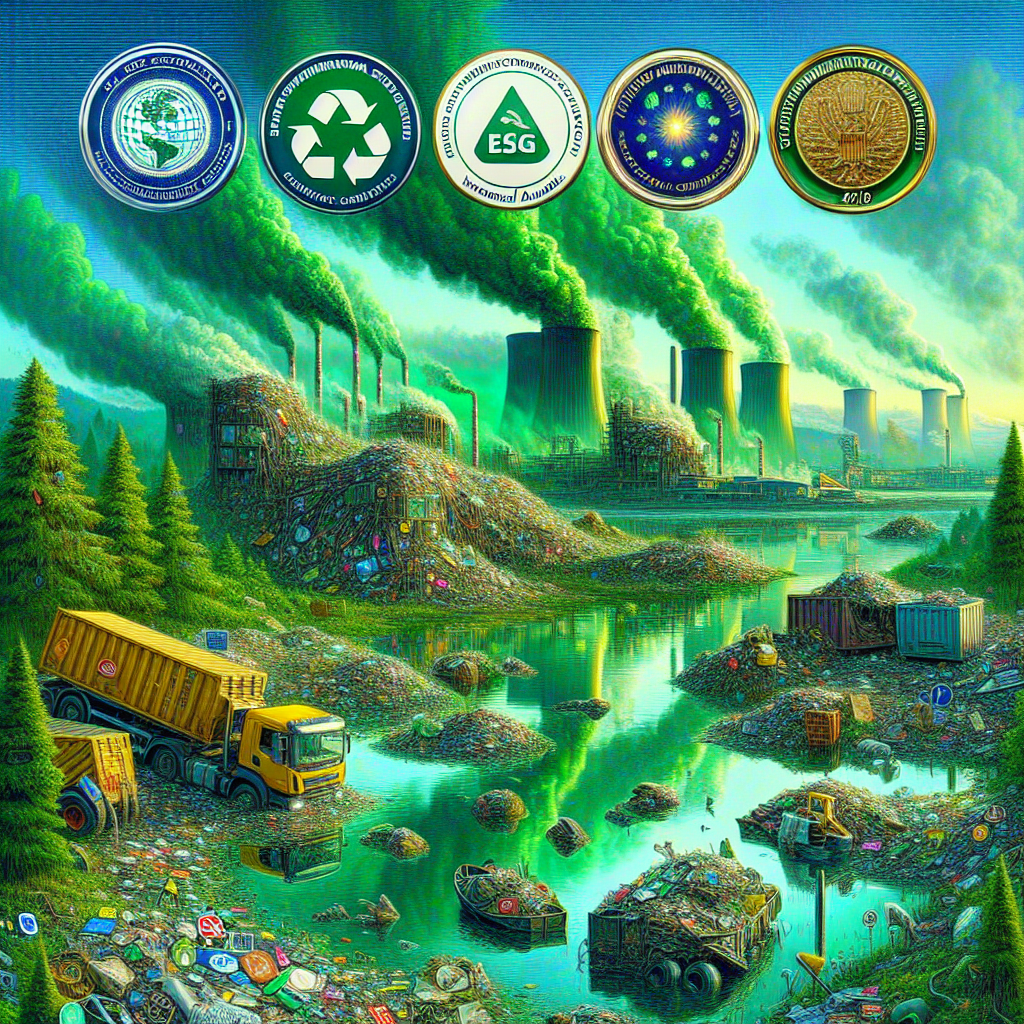
How Improper Disposal Can Invalidate ESG Certifications and International Audits
Introduction
Improper waste disposal can seriously compromise the validity of certifications related to Environmental, Social, and Governance (ESG) practices, as well as international audits. Organizations seeking strict compliance must ensure that their disposal practices are aligned with current regulations to avoid fines, sanctions, and reputational damage.
Impact of improper disposal on ESG certifications
ESG certifications assess the sustainability and responsibility of organizations in their internal and external processes. Incorrect waste disposal, especially hazardous waste, violates fundamental principles of these criteria, such as efficient environmental management and compliance with environmental laws.
This failure can lead to the invalidation of certification, as the ESG Program requires documentary proof and practical evidence of responsible waste management.
Legislation applicable to waste disposal
According to Law No. 12,305/2010, which establishes the National Solid Waste Policy (PNRS), proper waste management is mandatory for all organizations. Article 33 highlights the shared responsibility throughout the product life cycle, imposing obligations for correct disposal of waste.
Failure to comply with this legislation may result in administrative and judicial sanctions that directly impact the results of external audits and ESG certification.
Electronic waste disposal and the risk to international audits
International audits, often based on ISO standards and global sustainability benchmarks, thoroughly examine electronic waste management processes. Improper disposal of electronic components can result in environmental contamination and leakage of sensitive data.
To mitigate these risks, it is recommended to hire specialized services in electronic waste collection that ensure proper treatment of materials, providing valid documentary evidence for rigorous audits.
Security in the destruction of media and electronic data
Beyond the environmental impact, improper disposal of digital media, such as hard drives, brings legal risks related to data protection and privacy. Brazilian legislation, including the General Data Protection Law (LGPD) - Law No. 13,709/2018, establishes guidelines for the safe handling and disposal of such information.
Therefore, hard drive sanitization and other digital device destruction must be performed by specialized companies to ensure data inactivity and avoid legal penalties that could invalidate certifications and audits.
Compliance and verification in audits
International audits require evidence of compliance with national and international regulations to validate ESG practices. Process documentation, contracts with compliant service providers, and technical reports are essential to demonstrate responsible disposal.
Thus, monitoring the waste chain, especially electronic waste, is crucial for fully meeting established criteria, avoiding audit failures and consequent invalidation of certifications.
Conclusion
Improper disposal represents a significant risk to maintaining ESG certifications and achieving positive results in international audits. Full compliance with environmental and data protection laws, combined with contracting specialized collection and sanitization services, ensures the legal and reputational security of organizations.
Responsible waste management practices are essential for meeting sustainability and governance goals, ensuring compliance in all evaluation instances.

Deixe um comentário
O seu endereço de e-mail não será publicado. Campos obrigatórios são marcados com *