Blog Ecobraz Eigre
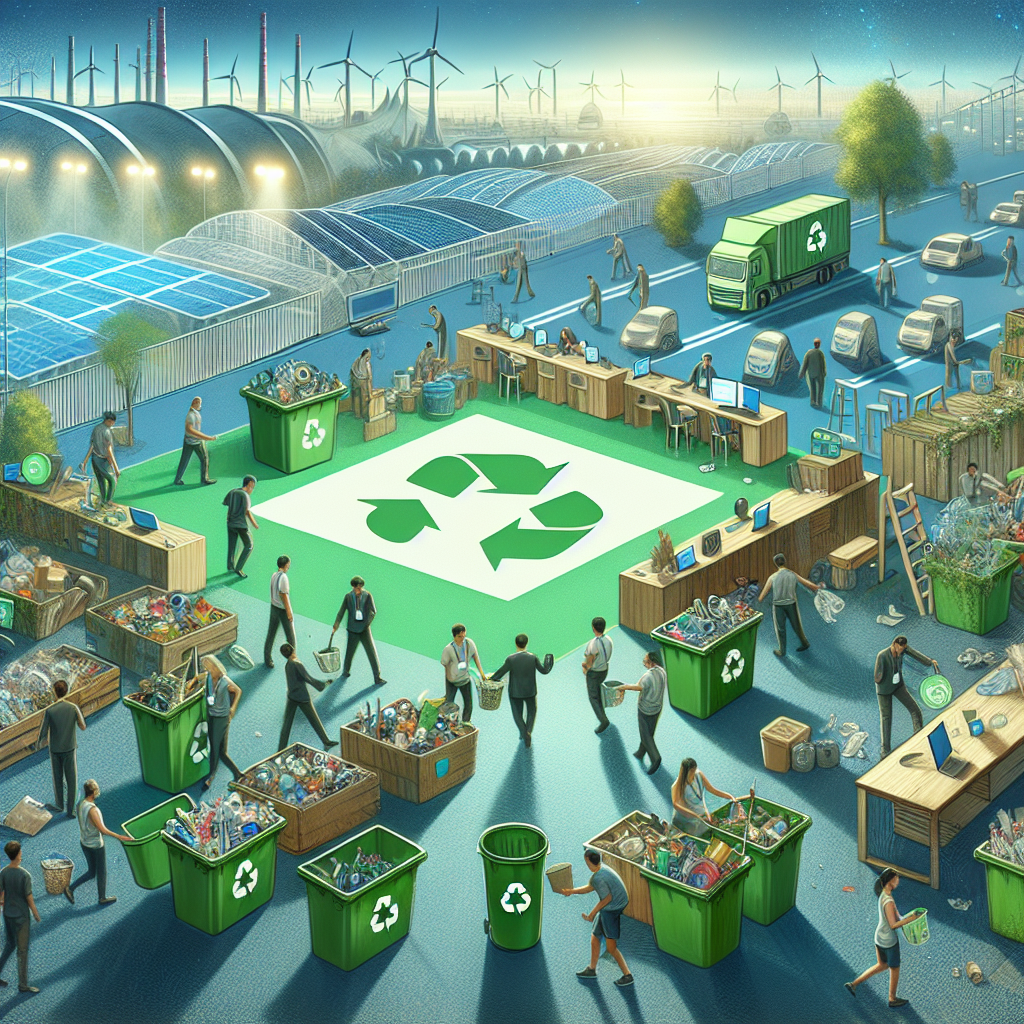
How recycling startups can gain visibility at COP30
Introduction to the participation of recycling startups at COP30
The Conference of the Parties to the United Nations Framework Convention on Climate Change (COP30) represents an excellent opportunity for startups in the recycling sector to increase their visibility in front of B2B decision-makers and government leaders. The environmental, social and governance (ESG) agenda is gaining more and more momentum, and innovation in waste management in line with current regulations, such as the National Solid Waste Policy (Law No. 12.305/2010), is fundamental.
Understanding the current legal and regulatory context
According to Legislative Decree No. 12.305/2010 and the National Solid Waste Management Information System (sinir.gov.br), recycling initiatives must follow strict criteria to guarantee the environmentally appropriate disposal of waste. Startups that work with innovative solutions for the collection, treatment and reuse of materials have the opportunity to talk directly with COP30 participants who are looking to improve sustainable chains.
Technological innovation with an environmental focus
For startups, the difference can be found in the introduction of technologies that optimize reverse logistics and the electronics collection process. Offering solutions that ensure not only efficient collection, but also environmentally responsible treatment, in compliance with the parameters established by environmental legislation and inspection bodies such as CETESB, increases credibility with investors and partners.
Engagement with public policies and strategic partnerships
Actively participating in public discussions and collaborating with federal, state and municipal entities, aligning projects with the goals defined at COP30, contributes to strengthening reputation and outreach. In addition, adhering to government incentive programs and showing compliance with legislation, including aspects related to safe downloading of media and hard drives, expands the network of contacts and market insertion.
Presenting cases and transparent data
At COP30, technical evaluations and negotiations will favor startups that can demonstrate concrete results validated by reliable indicators. The use of sustainability metrics, compliance with technical requirements established by institutions such as the National Institute of Metrology, Quality and Technology (NIST) and the Information Technology Security Committee (CSRC), are important differentiators for consolidating a reputation in the segment.
Use of official channels and multichannel promotion
Startups should take advantage of the COP's official channels, build relevant technical content and network with government bodies and major players in the ESG sector. The use of digital platforms for sharing solutions, whitepapers and technical webinars attracts the attention of decision-makers in procurement, information technology and legal.
Conclusion
To expand their visibility at COP30, startups must align their solutions with current regulations, present innovation based on technical results and build strategic partnerships, promoting themselves through official and specialized digital channels. This technical positioning will contribute to their effective inclusion in public environmental policies and the recycling market.
ManifestTransparency & Security Manifesto
Evidence and transparency: Our ESG approach is built on traceable documentation, verifiable records and auditable operational criteria. We turn electronic waste management into operational evidence to support governance, traceability and the mitigation of environmental, documentary and corporate risks. Documentary security and compliance: Documented traceability helps reduce regulatory exposure, strengthens documentary defensibility and supports alignment with applicable environmental policies, corporate contracts and governance requirements, including national and international references relevant to supply chains. Operational costing of reverse logistics: Door-to-door collection and responsible processing of electronic waste involve relevant logistics, technical and documentary costs. For this reason, Ecobraz structures transparent operational costing models linked to reverse logistics execution, with no promise of financial return, investment or asset appreciation. Governance: Operational execution is guided by compliance, traceability and verifiable documentation criteria. The priority is to strengthen the client’s corporate evidence, reduce documentary gaps and support safer, more responsible and defensible disposal decisions.

Deixe um comentário
O seu endereço de e-mail não será publicado. Campos obrigatórios são marcados com *