Blog Ecobraz Eigre
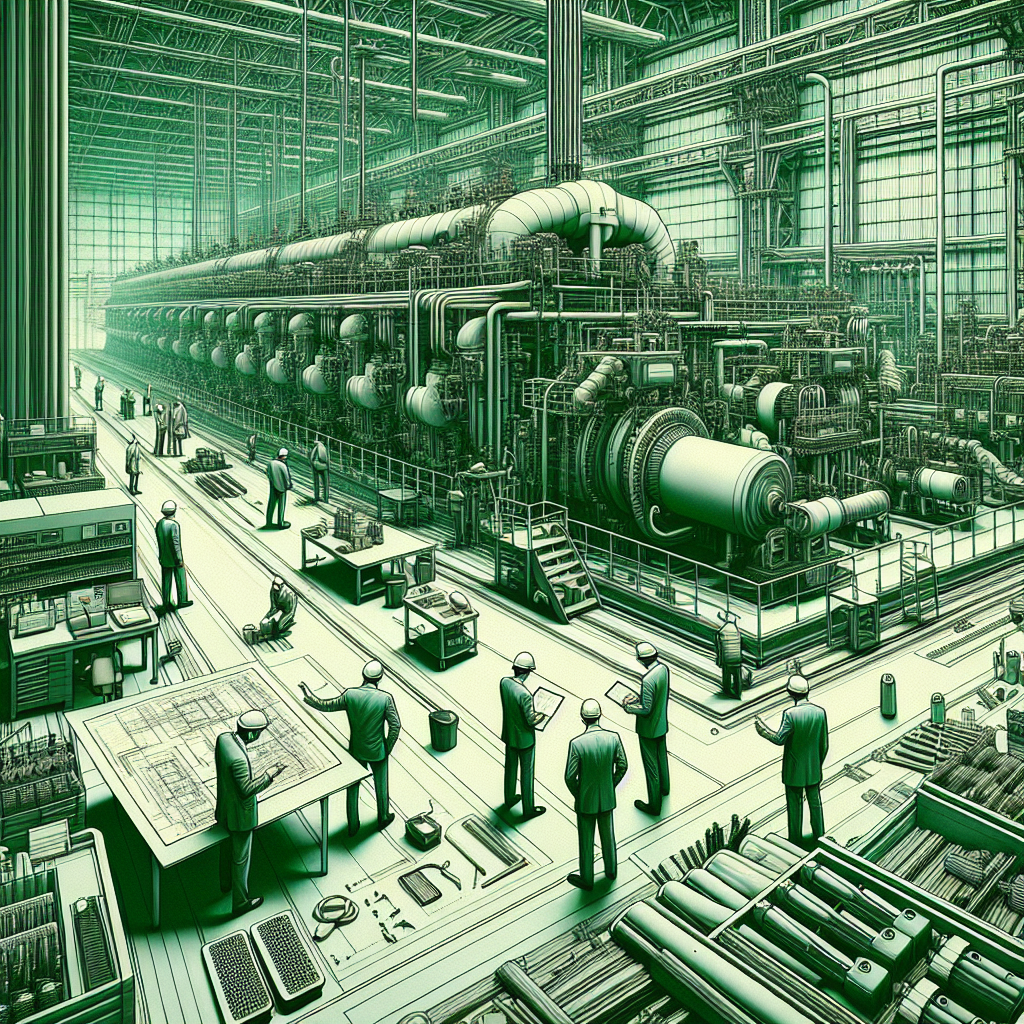
Production line shutdown: what to consider before dismantling
Legal and Regulatory Aspects
Before starting to decommission a production line, it is essential to strictly observe the environmental and labor legislation in force. Federal regulations, such as Law No. 12.305/2010, which establishes the National Solid Waste Policy (PNRS), establish obligations for the proper handling of waste arising from industrial activity. Compliance with these regulations avoids penalties and contributes to operational sustainability.
Operational Safety and Risk Management
Disassembly requires critical planning, with a focus on employee safety and risk mitigation. Specific risk analysis must be carried out and technical procedures implemented for decommissioning heavy and electrical equipment, in compliance with NR-12 standards, which deal with safety at work on machinery and equipment.
Appropriate Disposal of Waste and Equipment
The correct disposal of industrial waste, electrical and electronic components and other materials is essential to avoid environmental contamination. For electronic waste, it is recommended to use certified e-waste collection services, ensuring compliance with the PNRS and minimizing environmental impact.
Storage media, such as hard drives and other devices, should be treated with special attention. Safe sanitization of this media is essential for data protection and privacy, and it is recommended to use certified processes for safe disposal of hard drives and media.
Technical Aspects of Dismantling
Before dismantling, it is essential to map out the layout of the line, identify critical energy points and integrated systems to avoid damage to equipment and infrastructure. The company must have trained professionals and appropriate tools, ensuring efficient and technically compliant procedures.
Logistical and Environmental Planning
Waste management must take into account safe segregation, packaging and transportation, respecting the provisions of CONAMA Resolution 358/2005 on the management of industrial waste. In addition, planning must take into account the environmental impact during the process, with a view to minimizing emissions and waste.
Documentation and Recording
Recording all phases of the process is a best practice. This includes an inventory of decommissioned equipment, disposal certificates, technical reports and proof of final destination, which are necessary for audits and proof of compliance with inspection bodies, as required by the applicable legislation.
ManifestTransparency & Security Manifesto
Evidence and transparency: Our ESG approach is built on traceable documentation, verifiable records and auditable operational criteria. We turn electronic waste management into operational evidence to support governance, traceability and the mitigation of environmental, documentary and corporate risks. Documentary security and compliance: Documented traceability helps reduce regulatory exposure, strengthens documentary defensibility and supports alignment with applicable environmental policies, corporate contracts and governance requirements, including national and international references relevant to supply chains. Operational costing of reverse logistics: Door-to-door collection and responsible processing of electronic waste involve relevant logistics, technical and documentary costs. For this reason, Ecobraz structures transparent operational costing models linked to reverse logistics execution, with no promise of financial return, investment or asset appreciation. Governance: Operational execution is guided by compliance, traceability and verifiable documentation criteria. The priority is to strengthen the client’s corporate evidence, reduce documentary gaps and support safer, more responsible and defensible disposal decisions.

Deixe um comentário
O seu endereço de e-mail não será publicado. Campos obrigatórios são marcados com *