Blog Ecobraz Eigre
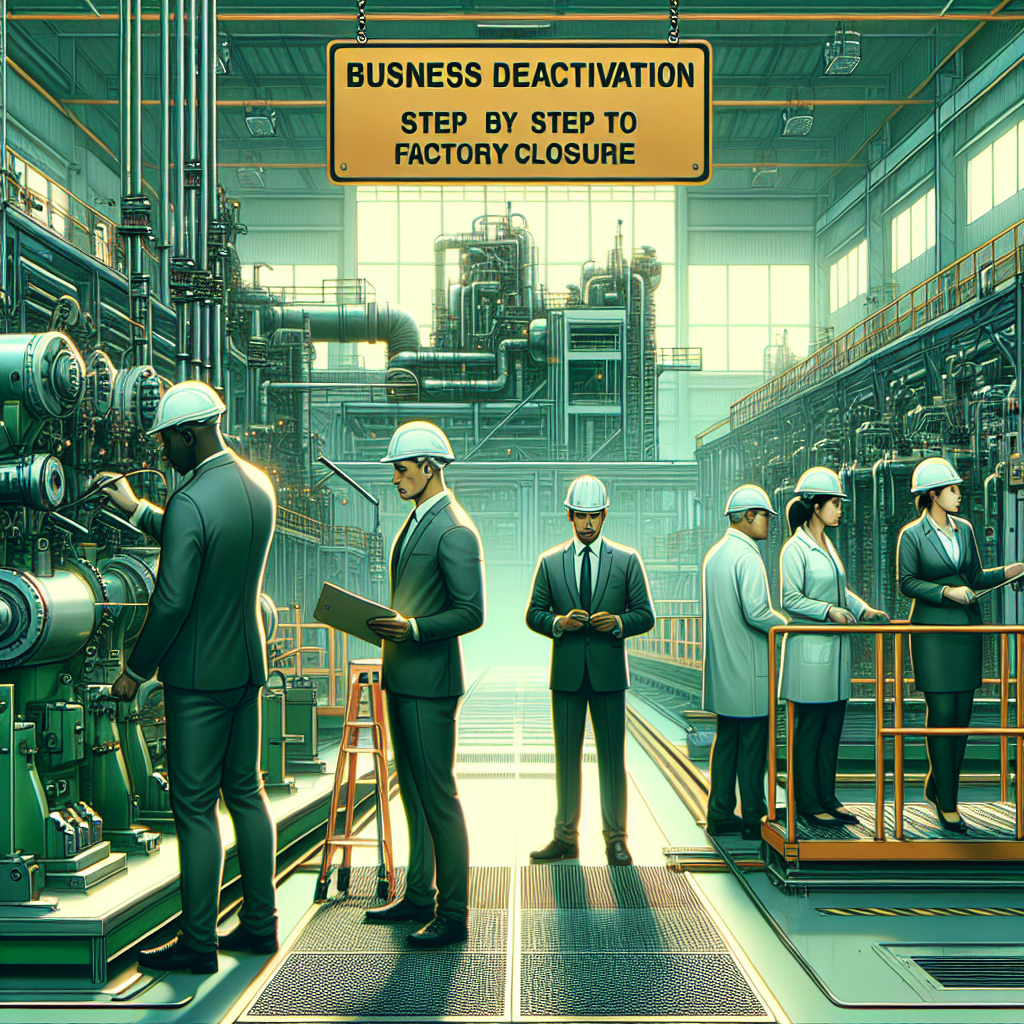
Corporate shutdown: step-by-step process for closing down a factory
Planning for decommissioning
The closure of a plant requires detailed planning to ensure legal compliance, environmental protection and operational safety. Current legislation, especially the rules of Law No. 6.938/1981 and resolutions of CETESB, establish guidelines for proper waste management and prevention of environmental impacts.
Notifications and legal obligations
It is mandatory to notify local environmental agencies of the closure of activities, as required by the National Solid Waste Policy (Law No. 12.305/2010). In addition, the obligations to the Ministry of Labor and Employment for the correct dismissal of employees, contract terminations and compliance with safety regulations must be observed.
Environmental management and waste disposal
During decommissioning, the correct segregation and management of the waste generated is crucial. For electronic waste such as obsolete equipment, it is recommended to make an appointment for qualified collection, in accordance with the practices recommended by the National Solid Waste Policy. For the safe disposal of digital media and storage devices with sensitive data, use certified hard drive sanitization services to protect against information leaks.
Disabling facilities and equipment
The shutdown must follow a schedule that includes the safe shutdown and decontamination of industrial systems, including pipes, tanks and production lines, in accordance with the Ministry of Labor's Regulatory Standards (NR-13 and NR-33). If hazardous substances are present, the complete decontamination procedure must follow the protocols of the Chamber of Deputies and environmental agencies.
Final regularizations and certifications
After decommissioning, obtaining closure certificates from environmental and labor agencies is essential to prove legal compliance. Documents such as the Activity Closure Term and final waste disposal declarations must be filed, in compliance with the requirements of Law No. 12.305/2010 and local regulations.
Final considerations
The decommissioning of an industrial plant involves multiple integrated stages that require technical support and specialized legal advice to ensure compliance with current legislation and mitigate environmental and social impacts.
ManifestTransparency & Security Manifesto
Evidence and transparency: Our ESG approach is built on traceable documentation, verifiable records and auditable operational criteria. We turn electronic waste management into operational evidence to support governance, traceability and the mitigation of environmental, documentary and corporate risks. Documentary security and compliance: Documented traceability helps reduce regulatory exposure, strengthens documentary defensibility and supports alignment with applicable environmental policies, corporate contracts and governance requirements, including national and international references relevant to supply chains. Operational costing of reverse logistics: Door-to-door collection and responsible processing of electronic waste involve relevant logistics, technical and documentary costs. For this reason, Ecobraz structures transparent operational costing models linked to reverse logistics execution, with no promise of financial return, investment or asset appreciation. Governance: Operational execution is guided by compliance, traceability and verifiable documentation criteria. The priority is to strengthen the client’s corporate evidence, reduce documentary gaps and support safer, more responsible and defensible disposal decisions.

Deixe um comentário
O seu endereço de e-mail não será publicado. Campos obrigatórios são marcados com *