Blog Ecobraz Eigre
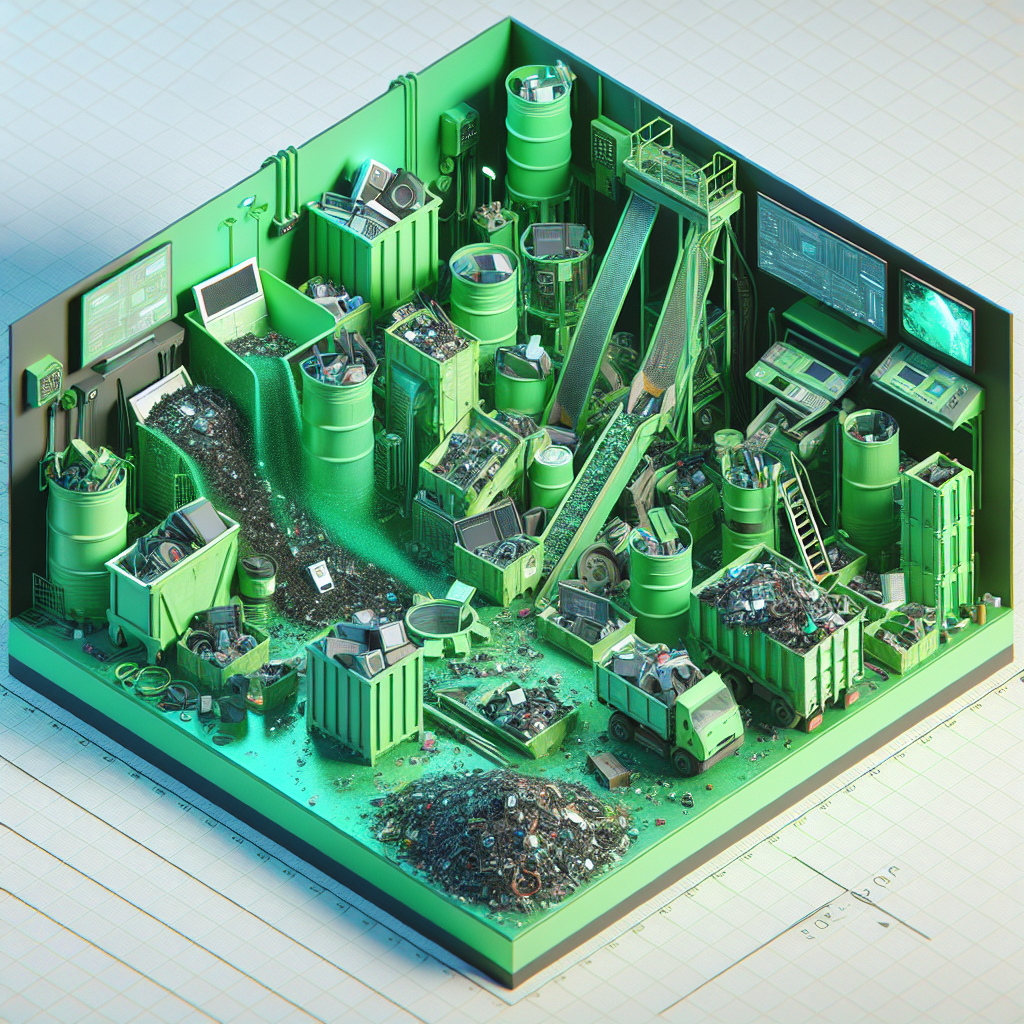
Ecobraz and reverse logistics for electronics: how it works
Introduction to Reverse Logistics for Electronics
Reverse logistics is a fundamental process for the sustainable management of electronic waste, aimed at the reuse, recycling and proper disposal of these materials, as provided for in the National Solid Waste Policy (Law No. 12.305/2010). The system provides environmental and economic benefits by ensuring that electronic products are correctly sent to a safe final destination.
Ecobraz's Role in Reverse Logistics
Ecobraz acts as a facilitating agent in the reverse logistics of electrical and electronic equipment, connecting collection points, transporters and authorized recyclers. Its operational model ensures compliance with current regulations and promotes the traceability of waste, which is essential for the governance of disposal processes.
Functioning of the Electronic Reverse Logistics Process
The flow begins with the collection of waste, where a practical scheduling system is used for capital cities and metropolitan regions, accessible via the official website for responsible collection of electronics. After collection, the equipment is sent to specialized centers for sorting and processing.
During processing, hazardous materials are identified and treated in accordance with the specifications of Resolução CONAMA nº 401/2008 and other environmental regulations. In addition, sensitive data stored on devices such as hard drives undergo rigorous sanitization procedures to guarantee the security of the information, and can be scheduled through the safe disposal of electronic media system.
Legal Aspects and Regulatory Compliance
Brazilian legislation establishes clear obligations for the disposal and recycling of electronics. The National Solid Waste Policy defines shared responsibilities between manufacturers, importers, distributors and consumers for implementing reverse logistics. The National Solid Waste Management Information System (SINIR) monitors compliance with these rules, contributing to the transparency and efficiency of the processes.
Environmental and Corporate Benefits
The separation and correct disposal of electronic waste prevents the contamination of soil and water by toxic substances such as heavy metals. For the corporate segment, reverse logistics provides adherence to sustainable environmental practices, reinforcing environmental, social and corporate governance (ESG) and reducing legal risks related to improper waste management.
Conclusion
The integration of Ecobraz in the reverse logistics of electronics represents an effective technical and legal solution for the sustainable treatment of this waste. The use of automated systems for scheduling responsible collection and the guarantee of safe sanitization of media ensure that organizations can comply with current legislation, promoting sustainability and safety in operations.

Deixe um comentário
O seu endereço de e-mail não será publicado. Campos obrigatórios são marcados com *