Blog Ecobraz Eigre
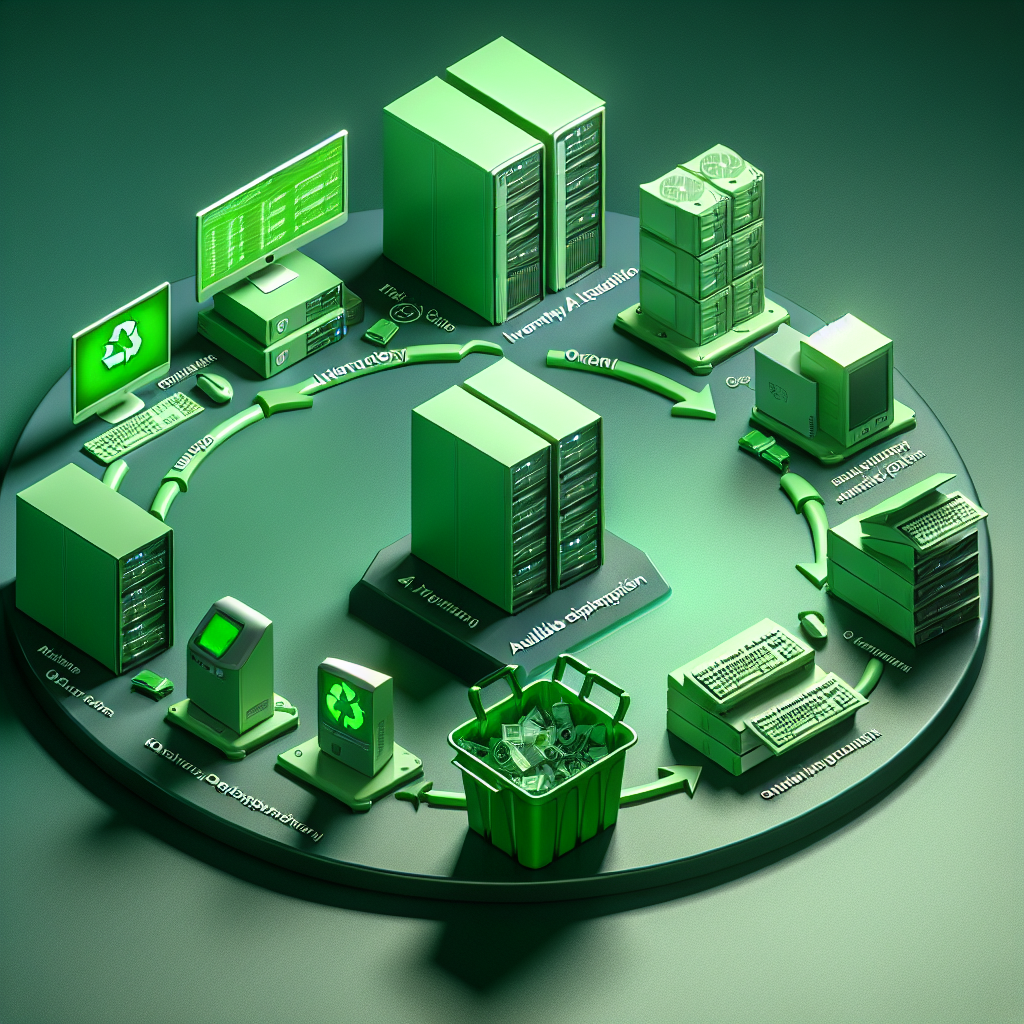
Risk Management in the Complete IT Lifecycle: From Inventory to Auditable Final Disposal
Introduction to Risk Management in the IT Lifecycle
Risk management is essential to ensure the integrity, security, and compliance of information technology (IT) assets from the beginning to the end of their lifecycle. This includes detailed inventory, continuous maintenance, monitoring, and auditable disposal of equipment, guaranteeing protection against vulnerabilities and mitigation of environmental and legal impacts.
Detailed Inventory and Asset Control
The first step is to maintain an updated inventory, cataloging all IT devices such as computers, servers, mobile devices, and storage media. The inventory must be rigorously managed to ensure that all assets are registered and can be tracked from acquisition to final disposal, as provided in Law No. 14,150/2021, which addresses environmental responsibility in the handling of electronic waste.
Continuous Monitoring and Maintenance
After the inventory, it is essential to implement monitoring processes to identify failures, operational risks, or cybersecurity threats, such as leakage of personal or corporate data. The NIST SP 800-53 standard establishes security controls to ensure confidentiality, integrity, and availability of systems.
Asset Classification and Segregation
It is vital to classify assets according to their level of sensitivity and criticality, adopting physical and logical segregation to protect confidential data against unauthorized access, correlating this practice with Ordinance No. 127/2018 from the Office of the Comptroller General, which guides internal controls and risk management.
Secure and Auditable Final Disposal of Assets
The disposal of electronic devices must comply with current legislation and ensure the secure destruction of data, especially in storage media. For this, data sanitization on hard drives or other supports must be performed according to recommended standards and audited to prove compliance. Specialized services in HD sanitization guarantee complete removal of information.
Regarding the removal and forwarding of electronic waste to appropriate destinations, it is recommended to use authorized collection systems, which can be scheduled via platforms such as electronic waste collection. Rigorous monitoring of disposal allows effective audits, minimizing environmental and legal risks, according to guidelines from the National Information System on Solid Waste Management (SINIR).
Audit and Regulatory Compliance
Risk management operations must be aligned with current legislation, such as the General Data Protection Law (LGPD, Law No. 13,709/2018), which establishes rules for the processing of personal data. Auditing the complete IT lifecycle ensures compliance, integrity of records, and the effectiveness of implemented controls.
Conclusion
Integrated risk management throughout the entire IT lifecycle, from inventory to auditable final disposal, is essential to mitigate vulnerabilities, ensure regulatory compliance, and protect physical and digital assets. Actions based on official standards and specific laws permeate the entire process, promoting operational excellence and environmental sustainability.

Deixe um comentário
O seu endereço de e-mail não será publicado. Campos obrigatórios são marcados com *