Blog Ecobraz Eigre
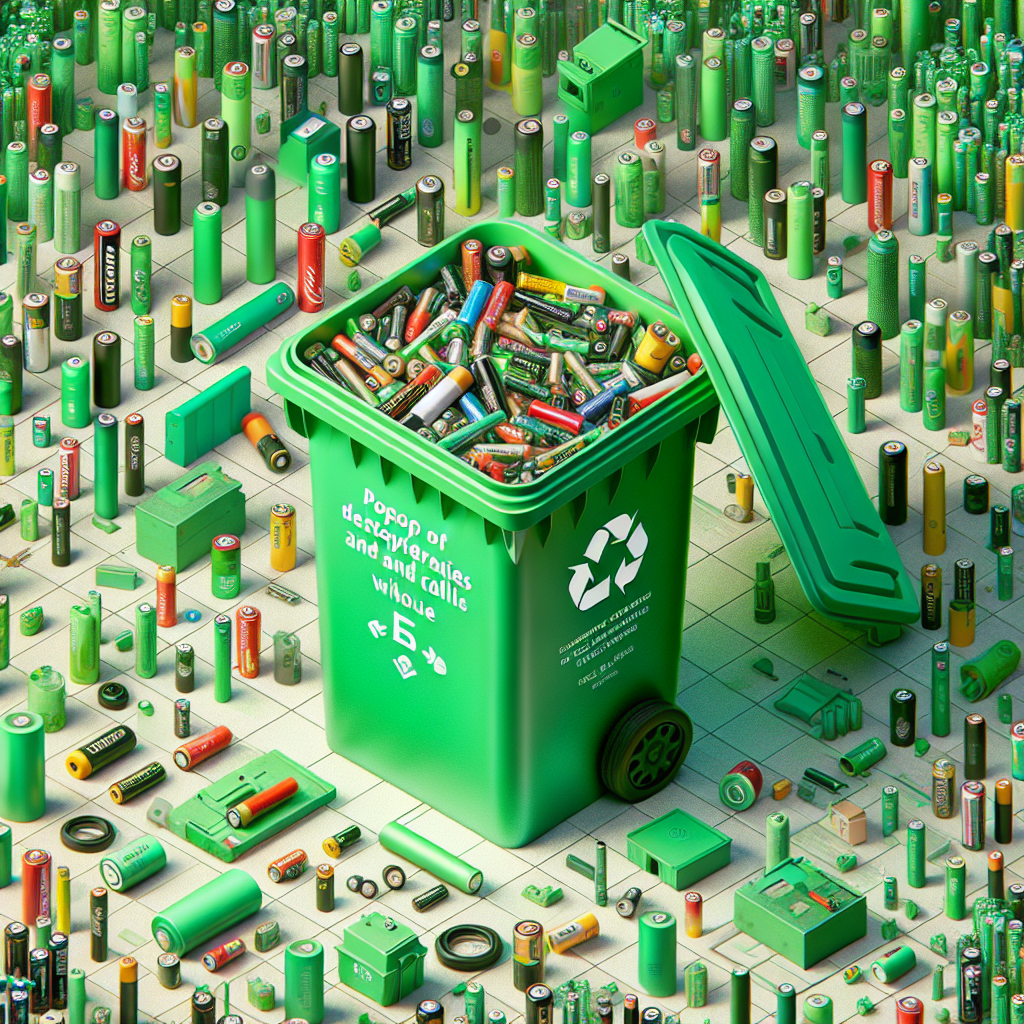
Batteries and Cells: How to Dispose of Them Properly Without Fines
Introduction
The proper disposal of portable energy sources is essential to comply with current environmental legislation and to reduce the risks of soil and water contamination. This article presents the technical guidelines based on Brazilian legislation for the proper management of these wastes, highlighting the procedures that prevent legal penalties.
Applicable Legal Regulations
Decree No. 10,936/2022 regulates the National System of Information on Solid Waste Management (SINIR) and establishes responsibilities for the proper management of waste, including portable energy sources.
Furthermore, Law No. 12,305/2010 establishes the National Solid Waste Policy (PNRS), which determines shared responsibility for the product life cycle, from the production chain to final disposal.
Environmental Risks and Compliance
Improper disposal can lead to contamination by heavy metals and toxic components, violating environmental standards and potentially resulting in fines stipulated by federal and state environmental legislation, as provided in Law No. 9,605/1998 (Environmental Crimes Law).
Procedures for Proper Disposal
The proper procedure involves segregation, temporary storage in secure locations, and forwarding to specific collection points authorized by the competent environmental authority.
To facilitate disposal and avoid fines, the use of specialized e-waste collection services is recommended, which provide environmentally appropriate and certified disposal.
Guidelines for Safe Handling
During storage, physical damage or leaks that could compromise the safety of workers and the environment should be avoided. The inventory and documentation of generated waste must be maintained as required by SINIR (sinir.gov.br).
Legal Aspects and Penalties
Noncompliance with the regulations may result in administrative sanctions and fines imposed by federal and state environmental agencies, as established in Law No. 9,605/1998 and related Decrees.
Therefore, it is essential that disposal is carried out based on approved technical and legal processes, reducing legal and environmental risks.
Final Disposal and Contact
To ensure compliance and safety in final disposal, use official platforms that carry out e-waste collection with environmental certification.
ManifestTransparency & Security Manifesto
Evidence and transparency: Our ESG approach is built on traceable documentation, verifiable records and auditable operational criteria. We turn electronic waste management into operational evidence to support governance, traceability and the mitigation of environmental, documentary and corporate risks. Documentary security and compliance: Documented traceability helps reduce regulatory exposure, strengthens documentary defensibility and supports alignment with applicable environmental policies, corporate contracts and governance requirements, including national and international references relevant to supply chains. Operational costing of reverse logistics: Door-to-door collection and responsible processing of electronic waste involve relevant logistics, technical and documentary costs. For this reason, Ecobraz structures transparent operational costing models linked to reverse logistics execution, with no promise of financial return, investment or asset appreciation. Governance: Operational execution is guided by compliance, traceability and verifiable documentation criteria. The priority is to strengthen the client’s corporate evidence, reduce documentary gaps and support safer, more responsible and defensible disposal decisions.

Deixe um comentário
O seu endereço de e-mail não será publicado. Campos obrigatórios são marcados com *