Blog Ecobraz Eigre
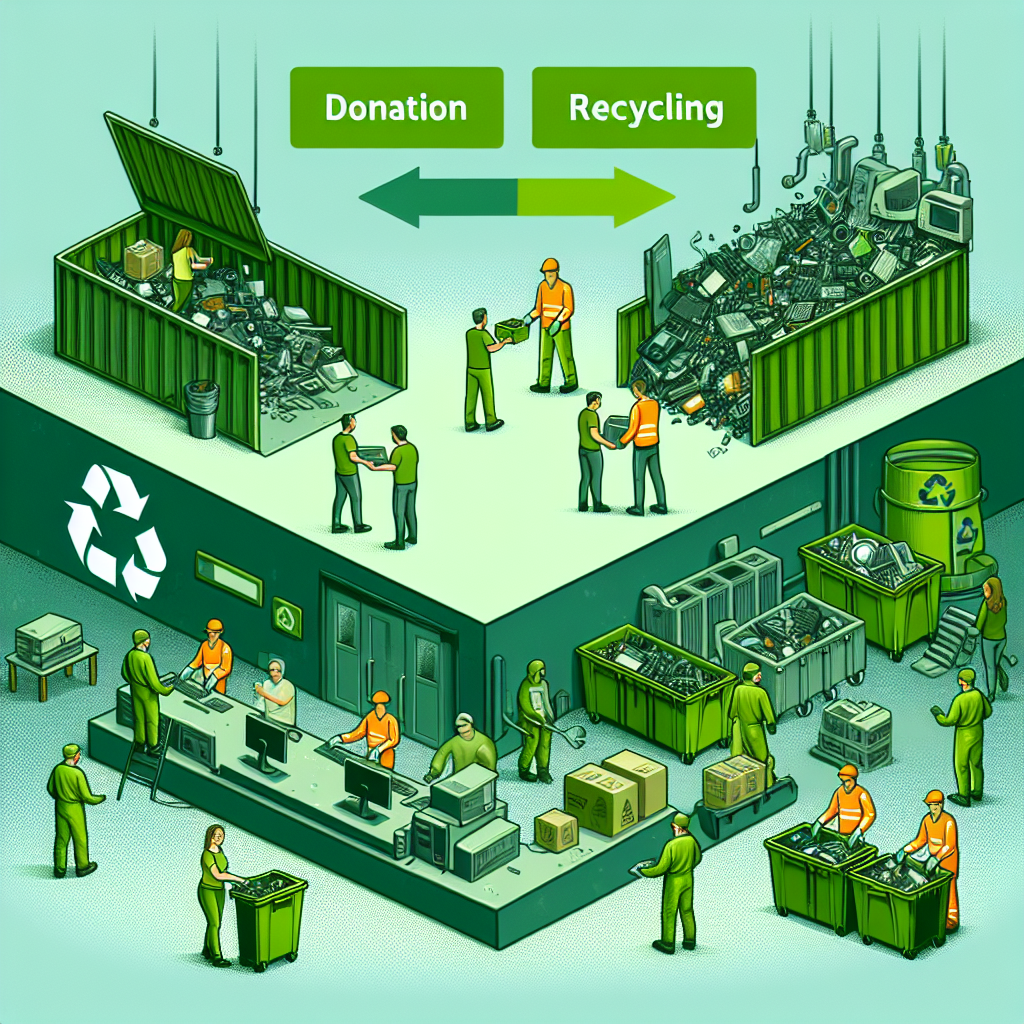
Recycling Electronic Waste: Donation vs. Recycling - When to Do Each
Introduction
The growing demand for electronic equipment and rapid obsolescence generate significant volumes of electronic waste. The proper management of this waste represents a challenge for all sectors that deal with technology. The decision between donation and recycling is essential to ensure environmental compliance and information security, in accordance with current legislation.
Rules and Applicable Legislation
The National Solid Waste Policy (Law No. 12.305/2010) establishes shared responsibility for the life cycle of products, including electronics. The National Solid Waste Management Information System (SINIR) guides environmentally appropriate disposal and reuse practices. Also, the electronic waste collection regulates the essential procedures for correct treatment.
Donation of Electronic Equipment: When is it Appropriate
Donation is recommended for functional devices or those with repair potential that can be reused by third parties, extending their useful life cycle and reducing premature disposal. This practice contributes to the circular economy and minimizes environmental impacts.
However, before donating, it is essential to safely sanitize the data, especially when it comes to storage units. The safe disposal of hard drives and media is necessary to avoid the leakage or misuse of sensitive information.
Electronic Waste Recycling: When It Should Be Prioritized
When equipment is completely obsolete, has irreparable defects or is at risk of containing toxic substances, recycling should be the way to go. The process should be carried out by establishments that follow the technical standards established by government agencies, guaranteeing the correct disposal of the components.
According to CONAMA Resolution 401/2008, the treatment of electronic waste requires specific processes for decontamination and reuse of materials such as precious metals, plastics and glass.
Challenges and Technical Recommendations
Decision-makers need to consider aspects such as information security, environmental impact and regulatory compliance. The performance of electronic waste collection by certified companies is fundamental to prevent pollution and guarantee the chain of custody of waste.
In addition, clear internal policies are recommended to guide the flow of equipment between donation and recycling, in line with the SINIR Technical Manual and national environmental best practices.
Conclusion
Deciding between donation or recycling depends on the functional state of the equipment and the security of the stored data. Adopting processes regulated by Brazilian standards contributes to environmental preservation and the responsible management of electronic waste.
ManifestTransparency & Security Manifesto
Evidence and transparency: Our ESG approach is built on traceable documentation, verifiable records and auditable operational criteria. We turn electronic waste management into operational evidence to support governance, traceability and the mitigation of environmental, documentary and corporate risks. Documentary security and compliance: Documented traceability helps reduce regulatory exposure, strengthens documentary defensibility and supports alignment with applicable environmental policies, corporate contracts and governance requirements, including national and international references relevant to supply chains. Operational costing of reverse logistics: Door-to-door collection and responsible processing of electronic waste involve relevant logistics, technical and documentary costs. For this reason, Ecobraz structures transparent operational costing models linked to reverse logistics execution, with no promise of financial return, investment or asset appreciation. Governance: Operational execution is guided by compliance, traceability and verifiable documentation criteria. The priority is to strengthen the client’s corporate evidence, reduce documentary gaps and support safer, more responsible and defensible disposal decisions.

Deixe um comentário
O seu endereço de e-mail não será publicado. Campos obrigatórios são marcados com *