Blog Ecobraz Eigre
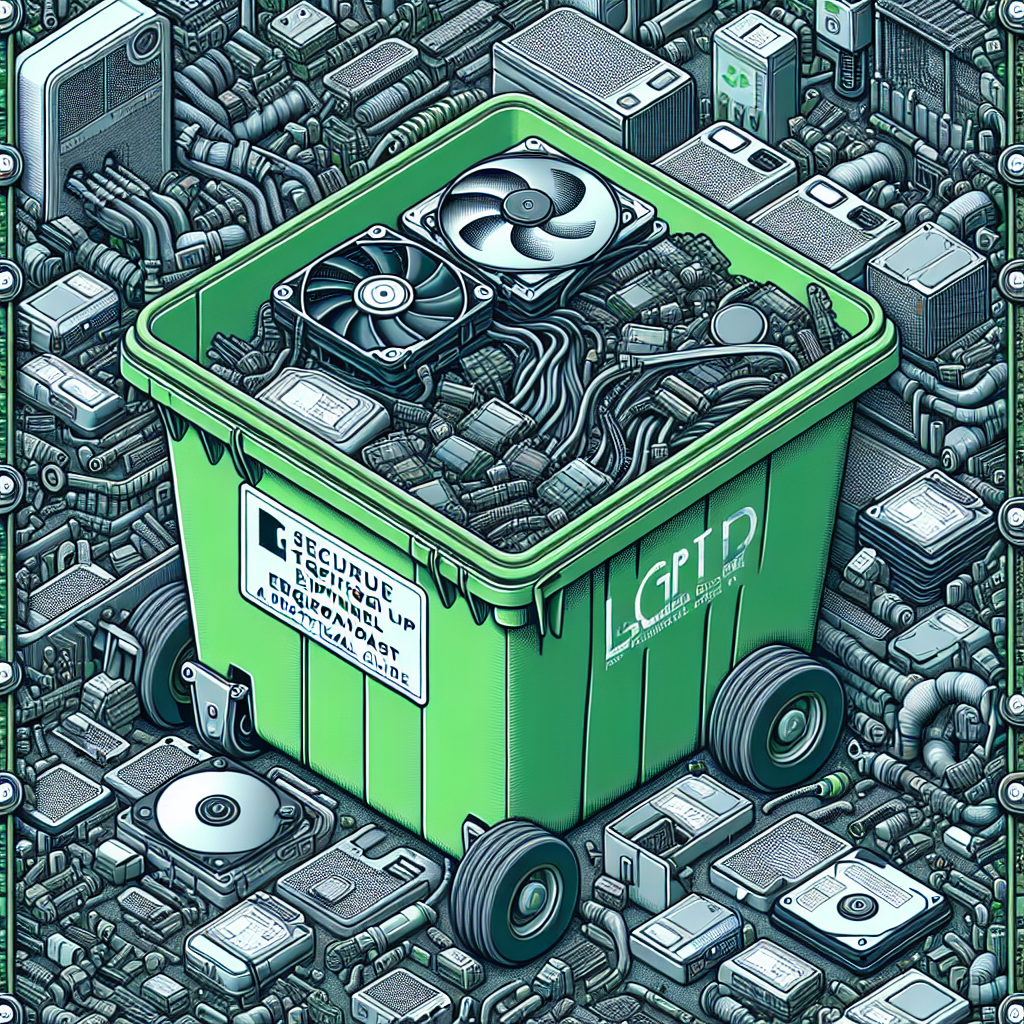
LGPD Requirements for the Disposal of Data Equipment (Practical Guide)
Introduction
The disposal of electronic equipment containing personal data requires strict attention to the requirements set out in the General Data Protection Law (LGPD - Law No. 13,709/2018). Failure to comply with legal obligations can result in administrative sanctions and reputational damage. This practical guide points out the essential procedures to ensure compliance in the safe disposal of data.
Legal Aspects of the LGPD in Equipment Disposal
The LGPD establishes principles and rules for the processing of personal data, including the disposal of storage devices containing sensitive or identifiable information. According to article 6 of Law No. 13,709/2018, the principle of security stands out, which requires the adoption of technical and administrative measures to protect data against unauthorized access and incidents.
Article 46 of the same law provides that the controller must adopt measures to protect personal data, even when the equipment containing it is destined for disposal.
Recommended Technical Procedures
Before disposal, data storage equipment such as hard disks (HDDs), solid state drives (SSDs), USB sticks and other devices must undergo sanitization methods that guarantee the complete elimination of the information. Risk Analysis and the choice of appropriate disposal techniques are essential for compliance with article 7, item IX, of the LGPD.
Techniques such as degaussing, multiple data overwriting and certified physical destruction are recommended, depending on the level of sensitivity of the data.
Safe Device Sanitization
To ensure the effectiveness of safe disposal, it is essential that the sanitization of hard drives and other media is carried out by specialized and auditable services, guaranteeing certification of the process. The certification proves that there is no technical possibility of recovering the data, fulfilling the requirements of the LGPD and mitigating legal risks.
Logistics and Final Disposal of Equipment
After sanitization, the equipment must be sent for recycling or proper disposal in accordance with current environmental standards, such as those set out in the National Solid Waste Policy (Law no. 12.305/2010), which include requirements for the proper management of electronic waste.
It is recommended to hire accredited companies that guarantee complete traceability, avoiding undue exposure of data and environmental impacts.
To optimize disposal management, it is recommended to schedule an appointment for specialized e-waste collection is recommended, ensuring regulatory compliance.
Documentation and Auditing
The entire process must be formally documented, with records of sanitization, transportation and final disposal, meeting the requirements of article 50 of the LGPD, which provides for the need for evidence to demonstrate the compliance of operations.
Periodic audits strengthen control and prevent failures in the process.
Conclusion
The disposal of equipment containing personal data must strictly comply with the requirements of the LGPD to ensure information security and avoid penalties. The application of certified sanitization techniques, correct forwarding for recycling and document formalization are fundamental pillars for compliance.
For safe disposal procedures, the use of regulated specialist services and scheduling for collection are essential to minimize legal and environmental risks.
ManifestTransparency & Security Manifesto
Evidence and transparency: Our ESG approach is built on traceable documentation, verifiable records and auditable operational criteria. We turn electronic waste management into operational evidence to support governance, traceability and the mitigation of environmental, documentary and corporate risks. Documentary security and compliance: Documented traceability helps reduce regulatory exposure, strengthens documentary defensibility and supports alignment with applicable environmental policies, corporate contracts and governance requirements, including national and international references relevant to supply chains. Operational costing of reverse logistics: Door-to-door collection and responsible processing of electronic waste involve relevant logistics, technical and documentary costs. For this reason, Ecobraz structures transparent operational costing models linked to reverse logistics execution, with no promise of financial return, investment or asset appreciation. Governance: Operational execution is guided by compliance, traceability and verifiable documentation criteria. The priority is to strengthen the client’s corporate evidence, reduce documentary gaps and support safer, more responsible and defensible disposal decisions.

Deixe um comentário
O seu endereço de e-mail não será publicado. Campos obrigatórios são marcados com *